Sunday, June 14, 2020

WHO and UK trials use potentially lethal hydroxychloroquine dose--according to WHO consultant


The Solidarity Trial is a WHO-led conglomeration of many national trials of treatments for Covid-19. In March alone, the WHO collected $108 million from donors to cover costs of Solidairy clinical trials. Per the WHO:
As of 3 June 2020, more than 3500 patients have been recruited in 35 countries, with over 400 hospitals actively recruiting patients. Overall, over 100 countries have joined or expressed an interest in joining the trial, and WHO is actively supporting 60 of them...
The hydroxychloroquine arm of the Solidarity trials restarted enrolling patients June 3, after being halted May 25 by WHO Director-General Dr. Tedros Adhanom Ghebreyesus and the Executive Group of the Solidarity Trial. The hydroxychloroquine (HCQ) arm of the trials had been stopped after publication of the Lancet Surgisphere study, which claimed that patients who received chloroquine or hydroxychloroquine had 35% higher death rates, but the Lancet study was retracted 13 days after publication, as its data turned out to be fabricated. The HCQ Solidarity trials are currently ongoing.

●       Remdesivir
●       Hydroxychloroquine
●       Lopinavir with Ritonavir
●       Lopinavir with Ritonavir plus Interferon beta-1a.

Initially, the WHO planned to use neither cloroquine in its trials.  But multiple countries requested chloroquines, so both chloroquine (CQ) and HCQ were then added to the trial plan.  However, HCQ was felt to be a little safer, countries preferred it, so WHO dropped CQ from its trials.  Other clinical trials continue to test both CQ and HCQ against Covid-19. 

The doses were not specified on WHO's list of the drugs to be trialed, nor were they specified, surprisingly, in WHO's April 8 four-person "consultation on chloroquine (CQ) dosing". 

The Introduction of the Report of that meeting notes, 

"The chloroquine or hydroxychloroquine schedule selected for the trial includes two oral loading doses (250 mg per tablet CQ or 200 mg per tablet HCQ), then oral twice-daily maintenance doses for ten days. This meeting convened to discuss the appropriateness of the selected doses for the trial."

Last week, I was alerted to the fact that India's ICMR, its official medical research agency, had written to the WHO, telling WHO that the hydroxychloroquine doses being used in the Solidarity trial were 4 times higher than the doses being used in India.  Then I learned that Singapore had been hesitant to participate in the WHO trial due to the hydroxychloroquine dose.  

The UK "Recovery" trial was very similar to, but not part of, the international Solidarity conglomeration of clinical trials.  The Recovery trial ended its HCQ arm on June 4, reporting no benefit. In-hospital mortality of the 1542 patients receiving hydroxychloroquine was 25.7%, or 396 deaths, about 10% higher than those receiving standard care, a non-significant difference.

The UK Recovery trial Study Protocol notes it is funded in part by the Wellcome Trust and the Bill and Melinda Gates Foundation, and by UK government agencies.  The Protocol provides the doses of hydroxychloroquine used, on page 22.  Twitter users began to notice a dosing problem, with hashtag #RecoveryGate.  

The HCQ dosing regimen used in the Recovery trial was 12 tablets during the first 24 hours (800mg initial dose, 800 mg six hours later, 400 mg 6 hrs later, 400 mg 6 hours later), then 400 mg every 12 hours for 9 more days.  This is 2.4 grams during the first 24 hours, and a cumulative dose of 9.2 grams over 10 days.

Even more disturbing than this, babies weighing 5 kg could be given a dose of 300 mg HCQ in the first 24 hours in the UK Recovery trial, which is 233 mg of the base (47 mg/kg), nearly 4 times the recommended maximum.  One to two pills (200-400 mg) is "potentially fatal in a toddler". And authors from George Washington University say:
"Ingestion of 1-2 tablets of chloroquine or hydroxychloroquine is thought to predispose children under 6 years of age to serious morbidity and mortality...ingestions of greater than 10 mg/kg of chloroquine base or unknown amounts require triage to the nearest health care facility for 4-6 h of observation. There is very limited data on pediatric hydroxychloroquine overdoses and no reports of toxicity from 1-2 pills, but given its similarity to chloroquine, it also should be considered potentially toxic at small doses. Thus, similar recommendations should be followed for triage after accidental hydroxychloroquine overdose."

UPDATE July 21: The American Association of Poison Control Centers said on March 25:  

"These medications have a narrow therapeutic window, meaning that accidental ingestion of amounts that exceed recommended dosing can be extremely dangerous with toxicity including coma, seizures, cardiac dysrhythmias, low potassium levels, cardiac arrest and death. Even a single pill can be potentially life threatening to a child."
The quote from the WHO report on dosing, provided 9 paragraphs ago, seems to be deliberately vague regarding the dose used in the Solidarity trial, stating the number of milligrams per tablet, but not the number of tablets to be used.  The Solidarity trial is registered but the registration fails to specify dosages.

The registration of the Canadian portion of the Solidarity trial informs us of its HCQ dose: ten 200 mg tablets during the first 24 hours (800 mg initial dose, 800 mg 12 hours later then 400 mg every 12 hours for 9 more days).  This is 2.0 grams during the first 24 hours, and a cumulative dose of 8.8 grams over 10 days, or only 0.4 grams less than what Recovery used. The Norwegian Solidarity trial uses dosing identical to Canada.

Co-Principal Investigators of the Recovery trial, Drs. Peter Horby and Martin Landray, said they followed the WHO dosing. This is what their trial document says as well, on page 23. Landray also claimed in an interview with Paris Soir that the maximum allowed HCQ dose was "6 or 10 times" the dose used in Recovery, and that he was using the hydroxychloroquine dose that is used for amebic dysentery.  However, the accepted use for HCQ in amebiasis is only for a liver abscess and only then in pregnancy, when other drugs cannot be used.  That dose is 600 mg per day for 2 days, then 300 mg per day, considerably less than half the Recovery dose.  Co-Principal Investigator Peter Horby said that Paris Soir misinterpreted Landray's comments, but Paris Soir said Landray had confirmed what he told them in an email prior to publication.  Landray is a very busy man, too busy, apparently, to look up the proper dose of a drug he gave to over 1500 subjects, who were randomized to the treatment and had no say in the matter.

We know that in Brazil, both a high CQ dose and a low CQ dose were trialed, and by April 17 the high dose arm was stopped prematurely due to an excess of deaths, with 39% mortality (16 deaths in 41 subjects).  The mean age in the high dose group was 54.7. The high dose arm used 600 mg CQ twice daily for ten days, with cumulative dose of 12 grams. EKG changes typical of toxicity were seen in 25% of high dose subjects. The low dose trial continues in Brazil.

How is the drug hydroxychloroquine normally used?  For chronic daily use in systemic lupus erythematosus, rheumatoid arthritis or Lyme disease, patients receive between 200 and 400 mg daily, or a maximum of 5 mg/kg.  In acute Q fever, 600 mg daily may be given at the start of treatment. For acute attacks of malaria, 1,500-2,000 mg may be given over 3 days.  Professor Didier Raoult's group in Marseille used 600 mg daily for up to ten days in 1061 Covid-19 patients, and reported 8 deaths, a mortality rate of 0.75%, all over 74 years of age.  The mortality rate reported by Landray and Horby in the Recovery trial is 34 times higher.

We know from WHO's March 13 Informal consultation on the potential role of chloroquine that the Gates Foundation had been studying the drug's complex pharmacokinetics, and of the 25 participants at this meeting, 5 were from the Gates Foundation.  

The only treatment dose mentioned in the March 13 Informal consultation report was in a paragraph about preventive doses.  It said, "Higher doses would be considered for treatment, i.e., 10mg/kg base, followed by 5mg/kg twice daily for seven days." 

What is the "base"?  A 200 mg dose of hydroxychloroquine contains 155 mg "base" drug. Generally, a loading dose refers only to a high first dose, not to several high additional doses. However, the trial protocol used in Solidarity employs the same dose for all, rather than weight-based dosing.

What is a toxic dose?  All experts agree on this: "... chloroquine has a small toxic to therapeutic margin," according to Goldfrank's Toxicologic Emergencies.  The drug is very safe when used correctly, but not a lot more can potentially kill.  Prof. Nicholas White, a Wellcome Trust Principal Research Fellow and expert in malaria treatment, who attended both WHO consultations on the chloroquines, has confirmed this.  Careful monitoring of electrolyte levels and an EKG can prevent most problems.

The WHO hired a consultant to explore the toxicity of chloroquine in 1979. The consultant, H. Weniger, looked at 335 episodes of adult poisoning by chloroquine drugs.  Weniger on page 5 notes that a single dose of 1.5-2 grams of chloroquine base "may be fatal.

According to Browning and Goldfrank, the pharmacokinetics and potency of chloroquine and hydroxychloroquine are almost identical, while the maximum used chronic dose of chloroquine is 3.5 mg/kg. 

The Recovery trial used 1.86 grams hydroxychloroquine base (equal to 2400 mg of hydroxychloroquine) in the first 24 hours for treatment of already very ill, hospitalized Covid-19 patients.  The Canadian and Norwegian Solidarity trials used 2,000 mg of HCQ, or 1.55 grams of HCQ base in the first 24 hours. Each trial gave patients a cumulative dose during the first 24 hours that, when given as a single dose, has been documented to be lethal. (The drug's half-life is about a month, so the cumulative amount is important.)  

The doses used in these trials are not recommended for therapy of any medical condition, which I confirmed with Goodman and Gilman's Pharmacology textbook, the drug's US label, and the online subscription medical encyclopedia UptoDate

Excessive, dangerous HCQ dosing continues to be used in WHO's Solidarity trials. While the Solidarity trials have an "adaptive" design which allows midstream protocol changes, no lessons were learned from the Brazil or Recovery trials' experience with excessive dosages. Solidarity has not reduced its HCQ dosing, although it can do so at any time.  The Solidarity trials are not, in fact, testing the benefits of HCQ on Covid-19, but rather are testing whether patients survive toxic, non-therapeutic doses.

The WHO Solidarity trials, in order to rapidly enroll patients and spare clinicians a lot of paperwork, collect only limited information on side effects.  No information has yet been provided regarding causes of death in the completed hydroxychloroquine arm of the Recovery trial, in which 396 patients died, and may never be.  

The Solidarity trial design being employed by WHO obscures whether mortality is due to drug toxicity (in which case, one would expect death to be due to an arrhythmia, neuropsychiatric effects, or hypoglycemia) as opposed to death due to Covid-19.

In fact, the lack of safety data being collected is downright scary.  Here is a description of the data obtained on patients enrolled in Solidarity, as reported in Science magazine:
The participant has to sign an informed consent form that is scanned and sent to WHO electronically. After the physician states which drugs are available at his or her hospital, the website will randomize the patient to one of the drugs available or to the local standard care for COVID-19.  
“After that, no more measurements or documentation are required,” says Ana Maria Henao Restrepo, a medical officer at WHO’s Emergencies Programme. Physicians will record the day the patient left the hospital or died, the duration of the hospital stay, and whether the patient required oxygen or ventilation, she says. “That’s all.”
Although the preponderance of opinion tilted towards a reasonable benefit risk profile for the intervention, there was some scepticism about what was considered a ‘minimalistic safety data collection’ currently included in the protocol. 
The high dose regimen being used in these trials has no medical justification.  The trial design, with its limited collection of safety data, makes it difficult or impossible to identify toxic drug effects, compared to a standard drug trial.  This is completely unethical.

Excessive dosing makes it impossible to assess therapeutic benefit, if any, of HCQ. Furthermore, because there are over 400 trial sites, and relatively few subjects in each, unexpectedly high trends in mortality are likely to be missed at individual trial sites.

Finally, testing the drug only in hospitalized patients means that the window of time during which HCQ would be expected to provide the most benefit, early in the illness when viral titers are rising, has passed.

Didier Raoult's group has recently published on the major differences in treatment and outcomes patients receive when placed in "big data" studies vs. receiving individualized care for Covid-19.

As I was completing this article, the FDA announced it was withdrawing its Emergency Use Authorization for hydroxychloroquine in Covid-19, because the "known and potential benefits" no longer outweigh the risks of the drug. The FDA cited data from the Recovery trial in its announcement. I discuss the implications here.

To sum up:
  1. 1.  In the UK Recovery trial, and in WHO Solidarity trials, HCQ is used in a non-therapeutic, toxic and potentially lethal dose.
  2. 2.  HCQ is furthermore being given, in clinical trials, too late in the disease course to determine its value against SARS-CoV-2.
  3. 3.  Collection of limited safety data in the Solidarity trials serves to protect trial investigators and sponsors from disclosures of expected adverse drug effects, including death.
  4. 4.  It appears that WHO has tried to hide information on the hydroxychloroquine doses used in its Solidarity trial.  Fortunately, the information is discoverable from registries of its national trials.
  5. 5.  The conclusions to be drawn are frightening:
   a)  WHO and other national health agencies, universities and charities have conducted large clinical trials that were designed so hydroxychloroquine would fail to show benefit in the treatment of Covid-19, perhaps to advantage much more expensive competitors and vaccines in development, which have been heavily supported by Solidarity and Recovery trial sponsors and WHO sponsors.

   b)  In so doing, these agencies and charities have de facto conspired to increase the number of deaths in these trials.

   c)   In so doing, they have conspired to deprive billions of people from potentially benefiting from a safe and inexpensive drug, when used properly, during a major pandemic.  This might contribute to prolongation of the pandemic, massive economic losses and many increased cases and deaths.


Update June 18:  I sent a tweet to WHO Director General Tedros informing him of these findings 3 days ago.  I also emailed WHO's Dr. Restrepo, inquiring about the doses used in the Solidarity trial.  I am very pleased to report that WHO stopped this deadly trial yesterday, with no fanfare.  WHO claimed the decision was made on the basis of the Recovery trial result and a Cochrane review, as well as WHO data.  One wonders if the DSMB was bypassed again, as occurred on May 25 when WHO halted its HCQ arm for the first time.

I had pointed out that if trial investigators had not disclosed to subjects the known risks associated with the high HCQ doses used, the investigators and WHO would be liable for damages. 

I like to think my investigation has helped save some lives.

Saturday, May 30, 2020

Turkey's premier hospital mortality for Covid under 1%; NYC's hospital mortality 20%/ BBC

Turkey started testing early, with rapid results.  They did case-finding and quarantines, and they used hydroxychloroquine as soon as someone got sick. Mortality in a premier hospital in Turkey for Covid-19 is under 1%.  Mortality in New York hospitals for Covid-19 cases has been reported here and here as 20%.  

The BBC goes into depth on how Turkey handled the pandemic.  Definitely worth a read.

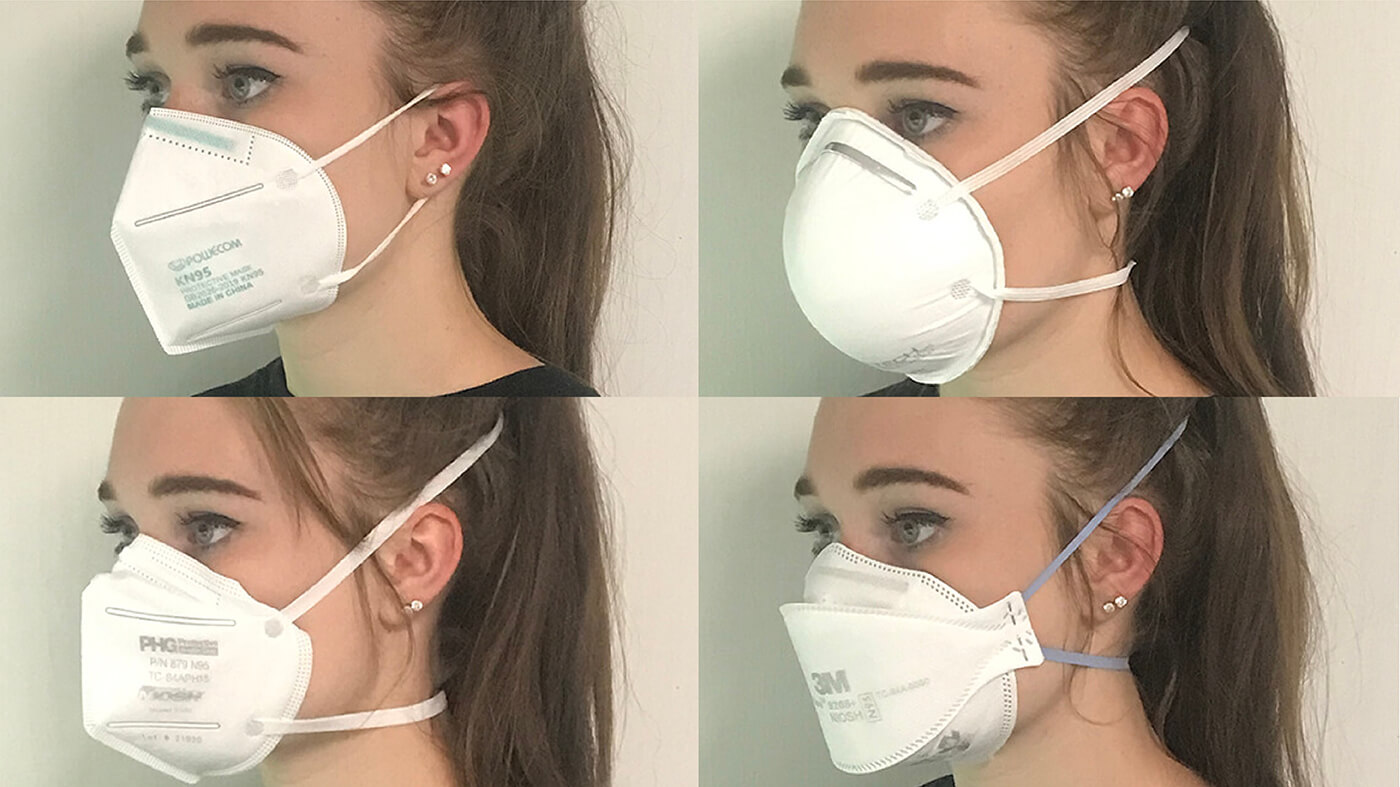
Make your own mask, as good as an N95, and washable too/ Consumerlab.com

The following discussion comes straight from consumerlab, which is a subscription service.  This is the best information I have found for producing a washable, highly effective mask that can protect both the user and everyone else nearby--Meryl
Here is their August 2020 update.

Question:
How can I make a mask that is as good as a surgical mask or an N-95 mask? 
Making a Homemade Mask as Effective as Surgical and N-95 Mask -- Cloth Masks, Scissors and Fabric 
Answer:
If made with the right household materials, you can create a mask that may be as effective as a medical mask or even an N-95 respirator, according to several laboratory studies. Masks can be used alone or, for increased protection, particularly for the eyes, with a face shield

How materials compare in blocking coronavirus 

The first study, from the University of Illinois at Urbana-Champaign, found that many household fabrics can be as effective as the material in surgical masks for blocking droplets the size of the COVID-19 (SARS-CoV-2) coronavirus. The blocking efficiency of a commercial medical mask was found to be 96.3%, while the blocking efficiency of a used dish cloth (85% polyester and 15% nylon) was slightly better -- 97.9%. In addition, most household fabrics were more breathable than the material in a medical mask. The dish cloth, for example, was twice as breathable as the medical mask (Aydin, medRxiv 2020 --preprint). (See the CDC website to learn how to make a cloth face covering.) 

A study at the University of Chicago and Argonne National Laboratory found that tightly woven, high-thread count cotton (600 thread-per-inch (TPI) sheet by Wamsutta) was more effective in filtering large droplets (similar to larger-sized SARS-CoV-2 droplets) than loosely woven cotton with a lower thread count (quilters cotton, 80 TPI), while fabrics with an electrostatic charge (such as silk and chiffon) were best for blocking aerosols -- the smaller sized droplets that remain suspended in air for extended amounts of time. Using layers of both fabrics, together, was most effective for blocking both large and small droplets. For example, two layers of 600 TPI cotton fabric had a large particle and small particle blocking efficacy of 99.5% and 82%, respectively, but one layer of 600 TPI cotton combined with two layers of chiffon (90% polyester, 10% spandex from Jo-Ann Stores) had a large particle and small particle blocking efficacy of 99.2% and 97% -- which is nearly as good as a properly-fitted N95 mask for blocking large particles and better than the N-95 with respect to small particles, of which only 85% are blocked by an N-95 mask). The researchers also found that small holes or leaks around the edges of the fabrics could decrease the blocking efficacy by 50% or more, and emphasized the importance of a good fit (snug and without gaps) (Konda, ACS Nano 2020). [Note: An illustration in the study shows the electrostatic layer of fabric as the inner layer when fabrics were combined. However, ConsumerLab contacted the author of the study who suggested that electrostatic fabric (such as chiffon) may be best used as the outer layer of the mask to avoid humidity from the nose or mouth, which could interfere with the electrostatic properties, but emphasized that was his suggestion, not something that was tested in the study.] 

How to reduce air leakage around a mask 

A way to reduce air leaks was suggested by a study, at Northeastern University in Boston, which showed that pulling an 8 to 10-inch tube of nylon (cut from a queen-sized nylon stocking) down over a regular mask and to the top of the neck. This significantly prevented air leakage around the mask and improved particle filtration efficiency, making the combined masking nearly as effective as an N-95 respirator which, unlike a medical mask, has an electrostatic charge and is specifically designed to prevent air leakage (Mueller, medRxiv 2020 --preprintGodoy, NPR.org 4/22/20). 

How to clean a cloth mask 

Cloth masks can be washed in a washing machine. They can also be cleaned using heat, but a washing machine is preferred. 

Friday, May 29, 2020

Hydroxychloroquine (HCQ). Corrupt, coordinated assault managed by WHO on an inexpensive and effective treatment / Nass

I think most people have already figured out you can't trust the mass media on the subject of the chloroquine drugs and Covid-19... let's avoid the question of which subjects can they be trusted with?  

I thought you could trust medical journals to a degree, but even they, whose editors are physicians, have been often unreliable on the value of chloroquines in Covid-19.  How could the Lancet editors and reviewers decide to publish the very sketchy Lancet article I critiqued a few posts back? The Lancet is the world's most-read medical journal. 

Today, over 140 academics and clinicians around the world have challenged the veracity of that Lancet article, and asked for it to be reviewed by an independent international group. I put up the Zenodo link for their letter at noon today, May 29, but tonight that link is gone. On May 30, link now works. Nevertheless, their letter has drawn huge attention to the questionable provenance of the Lancet paper's data, including by the Guardian and the NY Times. Why? 

Because this single Lancet paper started an avalanche that ended further study of hydroxychloroquine by the WHO, and consequently some countries (Belgium, France, Italy) banned its use for treatment of Covid-19.  The Jakarta Post/Reuters reported on May 27 that WHO had instructed Indonesia's health ministry to suspend the use of hydroxychloroquine, not only in clinical trials, but also for treatment of Covid-19.  Indonesia, the world's 4th most populous country, had been using the drug early for all cases, independent of severity, with good results. Indonesia refused to comply

Tony Fauci announced the same day that the drug was ineffective, and a Guardian article said that the US FDA is reconsidering its guidance permitting prescribing of hydroxychloroquine for Covid-19.

I will go further down this disturbing and fascinating rabbit hole later in this post.

Returning to what the medical literature truly tells us about hydroxychloroquine for Covid-19, I credit the Annals of Internal Medicine (premier journal for my speciality) with an honest meta-analysis of the subject, which went online May 27, 2020.

What the meta-analysis said:

Background: Hydroxychloroquine (HCQ) and chloroquine (CQ) have antiviral effects in vitro against severe acute respiratory syndrome-coronavirus-2 (SARS-CoV-2).

Purpose: 
To summarize evidence about the benefits and harms of hydroxychloroquine or chloroquine for the treatment or prophylaxis of coronavirus disease 2019 (COVID-19).

Study selection: 
Studies in any language reporting efficacy or safety outcomes from hydroxychloroquine or chloroquine use in any setting in adults or children with suspected COVID-19 or at risk for SARS-CoV-2 infection.


Data synthesis: Four randomized controlled trials, 10 cohort studies, and 9 case series assessed treatment effects of the medications, but no studies evaluated prophylaxis. Evidence was conflicting and insufficient regarding the effect of hydroxychloroquine on such outcomes as all-cause mortality, progression to severe disease, clinical symptoms, and upper respiratory virologic clearance with antigen testing... 

Limitation: There were few controlled studies, and control for confounding was inadequate in observational studies.

Conclusion: Evidence on the benefits and harms of using hydroxychloroquine or chloroquine to treat COVID-19 is very weak and conflicting.

So that is the real bottom line:  the evidence on hydroxychloroquine for Covid-19 is generally poor, conflicting, and so far fails to tell us its true risks and benefits.  I find it hard to believe that after 5 months and 5 million cases of Covid-19, this failure is not deliberate.
--------------
What did Didier Raoult's group just report from France?  They treated over 1000 (previously unreported on) patients, and have increased the dose of HCQ to 200 mg 3x daily for up to 10 days, used it with the traditional Z-pak dose of azithromycin, and say 98.7% are cured, 4.3% had a poor clinical outcome and 0.8% died.  No deaths were cardiac, all due to respiratory failure.  About one sixth of their patients did not receive HCQ due to a contraindication or refusal.
--------------
What can we discern from other countries?  Costa Rica is said to be the only country in Central America routinely using HCQ for early treatment.  "In Costa Rica, all patients — including those with with minor symptoms or who are asymptomatic — are offered the option to take hydroxychloroquine upon their diagnosis, as long as they don’t have contraindications to the drug. Costa Rica has a low case fatality rate (1.07%), and fewer than 5% of known active coronavirus cases are currently hospitalized."  But it will be reconsidering this practice as a result of the WHO's decision, according to the Tico Times.  Costa Rica has fewer cases and deaths than any country in central America.

Below is an interesting compilation from Elizabeth Lee Vliet, MD, who writes,  "Examples from the world data on May 18, 2020, which is updated daily, show how [some] Third-World countries are faring far better than the U.S." The countries doing well are using HCQ routinely.

Country
# of cases
# of deaths
Deaths/million
Use of HCQ
India
101,261
3,164
2.0
Early and prophylactic
Costa Rica
866
10
2.0
Early and prophylactic
Australia
7,068
99
4.0
Early and prophylactic
South Korea
11,078
263
5.0
Early and prophylactic
Argentina
8,371
382
8.0
Early and prophylactic
Turkey
150,593
4171
50.0
Early and prophylactic
Israel
16,643
276
32.0
Early and prophylactic use
Brazil
255,368
16,853
79.0
Early, some prophylactic use
U.S.
1,550,294
91,981
278.0
Late, in hospitalized patients


Now, I return to the WHO stopping the use of HCQ in its multi-nation trial of Covid-19 therapies...allegedly based on the Lancet study I reviewed here, which itself relied on a wholly opaque commercial database, "Surgisphere," owned by one of the Lancet authors, Sapan Desai. The study had a too-good-to-be-true overall death rate, inaccurate data for Australia, and no ability to verify the accuracy of the rest of its data or even identify the hospitals it came from...and the Lancet has already issued an initial correction.  

James Todaro, MD shows us that the Surgisphere company had only one employee, its founder Sapan Desai, until 2-3 months ago.  Yet it supposedly manages a database comprised of 671 hospitals' data? Something is very fishy.  Dr. Chris Martenson provides his own take on the study, here.  Australasian statistician Peter Ellis has discovered that a litany of awards Surgisphere's sister database company (Quartz Clinical) claims to have received--were won by others. And it had no online presence until last September. 


Bottom line, it is almost certain that the data the Lancet paper presented from Mehra, Desai et al. were fabricated, for many statistical and logistical reasons that are discussed in the links I have provided, especially in that letter with, now, 182 signatories. Yet the Mehra, Desai et al. paper,  in the world's top medical journal, was intended to be the death knell for hydroxychloroquine (and subsequently for many patients with Covid). Are you starting to see how deep the rot goes?

WHO's "Solidarity" study of treatments for Covid-19 is huge, and hugely important.  According to WHO, it currently involves recruiting patients from 400 hospitals in 35 countries, it is still adding trial sites, and 100 countries have expressed interest in participating. It was designed to "reduce the time taken" to design and conduct the trial by 80%, compared to usual procedures. "Interim trial analyses are monitored by a Global Data and Safety Monitoring Committee, which is an independent group of experts."
  
Understand that the WHO's initial plan for its Covid clinical trial had entirely omitted chloroquines.  Then, at the last minute, it agreed to add in chloroquines.  But now, it has deemed the drugs unsafe and pulled them from its multicenter trial, so we may never know how well they work to prevent and treat Covid-19.

This is bizarre, because the WHO's Essential Medicines list, which "contains the medications considered to be most effective and safe to meet the most important needs in a health system," includes chloroquine.  So it's safe for malaria, but unsafe for Covid? 

Tedros Adhanom Ghebreyesus, the WHO's first non-physician Director General, said exactly that:  the drug is safe, except if you want to use it for Covid:

"Tedros told patients taking the medication for its well-established uses beyond COVID-19 that they shouldn't worry. "This concern relates to the use of hydroxychloroquine and chloroquine in COVID-19," he said. "I wish to reiterate that this drug is accepted as generally safe for use in patients with autoimmune diseases and malaria."'

This is an oxymoron:  an inherent contradiction. Either the drug is dangerous, or it isn't.  Tedros' statement sounds like it was created by a PR firm. Is this why a non-physician was chosen, for the first time, to lead the WHO?  So, lacking understanding, he could read these lines with a straight face?

Should we be surprised that WHO has stopped testing hydroxychloroquine without its Data Safety Monitoring Board (DSMB) issuing a warning? The DSMB is the official safety monitor for clinical trials. Strangely, it wasn't the DSMB which initiated this halt. It was the WHO's "steering committee," which met over the last weekend, and decided to stop the testing of hydroxychloroquine. I wonder if the trial protocol even allowed for that.  Which steering committee, exactly, came up with this, and who empowered them to do so?

According to the WHO's chief scientist, Dr. Swaminathan, the WHO hasn't even seen  any of its trial data indicating a problem with hydroxychloroquine.  They had no data, but they had to meet on a weekend to stop testing hydroxychloroquine?  How could Tedros possibly explain this?

"Tedros cited the British journal, The Lancet, which published findings Friday showing that hydroxychloroquine doesn't help COVID-19 patients and might even increase deaths."

So the sketchy Lancet study, based on a rough (no accounting for confounders) analysis from a databased owned by the person who analyzed it, who has himself refused to provide even the names of the hospitals from which the data came, was the basis for taking hydroxychloroquine out of the WHO trial. Interesting.

"The executive group has implemented a temporary pause of the hydroxychloroquine arm within the Solidarity Trial while the safety data is reviewed by the data safety monitoring board. The other arms of the trial are continuing,” Tedros said in an online briefing from Geneva."

WHO is wedded to Gates, GAVI (Global Vaccine Alliance formed by the Gates Foundation) and Big Pharma.  Now that the US has pulled its funding for WHO, Bill Gates (who has invested billions in experimental Covid vaccines and claimed there will be no return to normal life until we have a vaccine) is WHO's largest donor.  Did Bill Gates steer WHO's "steering committee" in the direction he wanted?

Or was this the WHO's shot at Trump for pulling about $450 million per year in funding? According to the May 27 South China Morning Post, "the World Health Organisation has launched a foundation to help it raise funds from individuals and companies, as the UN agency seeks to broaden its donor base."  Is the new foundation the WHO's vehicle to more easily accept Pharma payback, including for its hydroxychloroquine decision?
-----------------
In light of the WHO decision, other large clinical trials of HCQ also went into emergency mode last weekend to decide whether to halt their HCQ arms. Here is what the 2 chief investigators of the UK's Recovery trial had to say:

‘On Saturday 23 May, the independent Data Monitoring Committee conducted an urgent review of the data that we have collected so far on the effects of hydroxychloroquine on mortality among patients admitted to hospital with COVID-19. The Committee concluded that there is “no cogent reason to suspend recruitment for safety reasons.”

‘The Committee found that the effects of hydroxychloroquine on mortality reported in the analysis by Mehra were not consistent with those observed in the RECOVERY trial. The Committee therefore recommended that the trial continue recruitment without interruption, a recommendation that was endorsed on Sunday by the MHRA. 
-----------------
Sharyl Attkisson blew up the new NIH (NIAID) recommendations on Covid-19 treatment, which panned HCQ and promoted Remdesivir. Sharyl discovered that sixteen of the NIH's guideline authors (including 2 of 3 co-chairs) had existing or prior financial relationships with Gilead, the maker of Remdesivir, but none with hydroxychloroquine makers.  How did such a Gilead-heavy panel come to be constituted?  The members were appointed by the financially conflicted co-chairs.
------------------
Who chose to use HCQ?  Trump used it for prevention.  Virologist and SARS expert Ian Lipkin, MD, who was offered convalescent serum by the Chinese doctors he works with, refused it (despite its positive track record in Covid-19 therapy) and used HCQ instead.  While he was initially quite ill, he got over his illness quickly.

Boris Johnson, Prince Charles, and other recovered luminaries have failed to report how they were treated, and the media didn't ask.

But now, based on WHO stopping its trial,  allegedly on the basis of one very questionable paper in the Lancet, several countries have started banning the use of hydroxychloroquine by personal physicians. 
-------------------
"Medical Journals Are an Extension of the Marketing Arm of Pharmaceutical Companies," wrote Richard Smith, former editor-in-chief of the British Medical Journal (BMJ), in 2005.  He then cited several of his fellow editors at other journals: “Journals have devolved into information laundering operations for the pharmaceutical industry,” wrote Richard Horton, still editor-in-chief of the Lancet... Marcia Angell, former editor of the New England Journal of Medicine, lambasted the industry for becoming “primarily a marketing machine” and for Pharma co-opting “every institution that might stand in its way”... Jerry Kassirer, another former editor of the New England Journal of Medicine, argues that the industry has deflected the moral compasses of many physicians..."  

It is utterly demoralizing that Lancet editor Richard Horton, who denounced medical journals with the moniker "information laundering operations" complied with the publication of the questionable Lancet piece last week. Update:  Horton now calls the article a "fabrication."

--------------------

Tedros claimed WHO just imposed a "temporary pause" on its HCQ trial, giving the data monitors the chance to carefully do their review. But we know from an exclusive piece by Reuters and another in the Indonesia Times that the WHO quickly directed Indonesia to stop using HCQ for all Covid treatment, not only in WHO-affiliated clinical trials, before such review has taken place.  Did WHO send similar advice to the other 192 member nations, or perhaps only to those who were using HCQ widely and having good results?  It appears WHO is trying to obliterate evidence that might support widespread use of hydroxychloroquine, and might disadvantage both Gilead's Remdesivir, and anticipated coronavirus vaccines, each to cost hundreds or thousands of times more than hydroxychloroquine (which is generic and costs less than $1.00 per course in some countries).

Didn't the recent NIH/NIAID treatment guidelines attempt to make doctors switch from using HCQ to using Remdesivir via a stacked deck of guideline authors who work or worked for Gilead?

Are we seeing a highly coordinated assault on unbiased scientific evidence and reporting by the WHO, the NIH, some national public health agencies, and medical journals and their authors?  


Aren't we seeing a gargantuan assault on our right to be fairly informed and choose our own medical treatments? It appears that the premier agencies and organizations, whose ostensible mission is to safeguard our health, have been captured and redirected.

Yet again, it seems, the Covid crisis has exposed the unthinkable.  We cannot expect the institutions of government and society to have our best interests at heart.  They clearly don't.  


We are in the midst of a crisis that requires specialized knowledge to understand and respond to. We have a federal government whose many agencies have spent over $100 billion dollars, since 9/11, on pandemic planning and response. Yet when the crisis came, they offered almost none of the masks and PPE they were supposed to have stockpiled.  They had no tests, no drugs, no vaccines, and precious little good advice.  Federal agencies interfered with attempts by the market to provide tests and drugs. We have learned, bitterly, it is every man/woman for him/herself.

Yet we can only change this system by working together.  We have to figure out how to do so.  Shining a light on the corrupt underbelly of our system is the first step.  Let's go even further.


Update May 30:  India and Indonesia say they stand by use of hydroxychloroquine, as they are convinced of its benefit, but Indonesia will comply with WHO guidance and cease using it in patients who enroll in the Solidarity trial.  Turkey too.

Update May 31:  The Scientist has uncovered a long litany of lies, exaggerations and shady businesses associated with Dr. Sapan Desai, MD, PhD, MBA in a detailed investigative piece here.

Sunday, May 24, 2020

India's NIH (the ICMR) expands the use of hydroxychloroquine to all frontline health workers, police, etc.

I hope you have noticed that while the mass media have spent 2 months railing about the dangers of hydroxychloroquine and how it may kill you, they have had a hard time finding doctors to issue the alarm on-camera.  Practicing doctors usually know that the risks of HCQ are no greater than the risk of other drugs they prescribe routinely, making it hard to utter dire warnings. 
And now, India's official medical research arm has reported on 3 studies of HCQ prophylaxis it conducted.  They think the drug is safe enough to use for prevention, and they think it works.  So, the ICMR has expanded its recommendations for hydroxychloroquine as a Covid preventive:  now recommending it for all first responders and medical personnel, unless there is a medical contraindication:
"The Indian Council of Medical Research (ICMR) has issued revised guidelines for use of hydroxychloroquine (HCQ), the malaria drug, as a preventive medication for asymptomatic healthcare workers in non-Covid-19 hospitals, frontline staff on surveillance duty in containment zones and paramilitary/police personnel involved in coronavirus infection related activities.
"The Joint Monitoring Group and the NTF have recommended prophylactic use of HCQ in asymptomatic frontline workers, such as surveillance workers deployed in containment zones and paramilitary/police personnel involved in Covid-19 related activities, asymptomatic household contacts of laboratory confirmed cases and all asymptomatic healthcare workers involved in containment and treatment of Covid-19 and working in non-Covid hospitals/non-Covid areas of Covid hospitals/blocks," the ICMR said, here on Saturday (23 May)."
The recommendation was made after the Joint Monitoring Group under the Chairmanship of Directorate General of Health Services (DGHS) and including representatives from AIIMS, ICMR, National Centre for Disease Control, National Disaster Management Authority, WHO and experts drawn from central government hospitals reviewed the prophylactic use of hydroxychloroquine (HCQ) in the context of expanding it to healthcare and other frontline workers deployed in non-COVID-19 and COVID-19 areas.
Three new categories - all asymptomatic healthcare workers working in non-COVID hospitals/areas of COVID hospitals/blocks, asymptomatic frontline workers such as surveillance workers deployed in containment zones and paramilitary/police personnel involved in COVID-19 related activities - have now been included.
According to the revised advisory, "at NIV, Pune, the report of the in-vitro testing of HCQ for antiviral efficacy showed reduction of infectivity and log reduction in viral RNA copy of SARs-CoV2".
"The drug is contraindicated in persons with known case of retinopathy, hypersensitivity to HCQ and cardiac rhythm disorders," it said.
----------
Dr. Peter Breggin, psychiatrist and author, saved me a lot of work by compiling additional information on the safety and efficacy of hydroxychloroquine.  His article can be read here.  Is the purpose of the media warnings to keep us scared out of our minds about this virus, which may actually be quite treatable?  And preventable?  
I am now taking vitamin C, vitamin D and zinc, and will be adding hydroxychloroquine at the first sign of a virus. I will continue to be careful, but with convincing reports that 90% of cases are asymptomatic (and presumably, though not certainly, will become immune with no illness at all) I am finished being scared.