Monday, May 18, 2020

Pompeo and virus' Origin/ CNN


From CNN:
Secretary of State Mike Pompeo appears to be backing away from a theory he and President Donald Trump were pushing that the coronavirus pandemic may have originated at a lab in Wuhan, China...
Yet he still wants to "punish" China.  What a blustering fellow he is, drunk on power, ignorant of facts (as are we all) but still wanting to strike out.   
In his interview with Breitbart, Pompeo emphasized that knowing where the outbreak began is "key" for scientists working on developing a vaccine, and blamed China for "attempting ... to undermine the central understandings of transparency that every country has a responsibility to deliver."
While I want to know the origin of the coronavirus, that information has nothing to do with developing a successful vaccine.  Unless you believe the lab that developed this coronavirus also has produced a successful vaccine against it.  But as far as we know, many labs have tried and none succeeded in creating a safe vaccine for any of the human or animal coronavirus diseases.

Friday, May 15, 2020

Perspectives on the Pandemic. Episode 7, Sam Husseini


I have worked with investigative reporter Sam Husseini to help with background information on biodefense, biological warfare, lab escapes. Sam was featured in this 1 hour documentary about gain of function research, biolabs, and the origin of SARS-CoV-2. He provides a profound and detailed discussion of these subjects in this extremely worthwhile film, made by John Kirby.


Friday, May 8, 2020

The Testing Mess

I have not written much about testing since the early days of this crisis, because there is almost no reliable information.  The Infectious Diseases Society of America issued recommendations about testing two days ago, yet the authors admit that their advice is almost evidence-free. So, this is all I can say reliably at this time.

1.  A fabulous review article describing many aspects of SARS-1, written by scientists from Hong Kong, discusses the testing issues for SARS-1.  Sensitivity of PCR at best was 80%.  Repeat tests are necessary to demonstrate lack of infectiousness.  I highly recommend this article for concise but detailed background material on SARS-1, as no compilation like this exists yet for SARS-2, and they are extremely similar viruses.

2.  CDC decided in January it would develop a nasal swab PCR COVID test and that no one else could market COVID tests in the US.  It failed to create a usable test, so on Feb 29 FDA said others could apply to FDA for an emergency use authorization (EUA) for their tests.  But their EUA process was very cumbersome, so few applied.  Until March 16, only 4 EUAs had been issued, including the EUA for CDC's failed test.  

Still lacking testing, FDA on March 16 said that anyone could offer COVID tests in the US, and apply later for FDA approval. Between then and now, over 100 companies poured into the testing market, and FDA issued 65 emergency use approvals for both PCR and antibody tests.  These were approved on an emergency basis, and do not reflect a guarantee by FDA of test validity.  

Beginning March 31, FDA also approved tests that had been developed by 24 university and commercial labs, but only if they were performed on-site at the lab that developed them. 

On May 4, FDA issued new guidelines which will attempt to bring some order into this chaos.

3.  Antibody tests measure antibodies but do not necessarily identify immunity.  As in Lyme disease:  you may have antibodies but are still susceptible to another infection.  Or, you may have Lyme disease but are not making enough antibody to detect with existing tests, even after weeks or months.  

It is a lot more important to determine if you are immune, than to determine if you just have antibodies.  I will wait to spend my money on tests that have been shown to indicate immunity to SARS-2, as well as an antibody, if and when they become available.

4.  PCR (aka "molecular") tests look for a small portion of the virus, generally in your nasopharynx.  This is not a culture test for the virus, and does not absolutely guarantee that you have active infection and are contagious--but it is the closest we can come to diagnosing active infection in a medical lab, as a culture must be performed in a high-containment BSL-3 biosafety lab, by law.  


We don't know how sensitive nor specific each of the many available tests are, but in China the rule was to perform multiple tests before releasing people from quarantine.  We should expect false negatives, which can also result from sampling error.  Here is what the FDA says about negative results, indicating they too are concerned about false negatives:

What does it mean if the specimen tests negative for the virus that causes COVID-19? 

A negative test result for this test means that SARS CoV-2 RNA was not present in the specimen above the limit of detection. However, a negative result does not rule out COVID-19 and should not be used as the sole basis for treatment or patient management decisions. A negative result does not exclude the possibility of COVID-19. When diagnostic testing is negative, the possibility of a false negative result should be considered in the context of a patient’s recent exposures and the presence of clinical signs and symptoms consistent with COVID-19. The possibility of a false negative result should especially be considered if the patient’s recent exposures or clinical presentation indicate that COVID19 is likely, and diagnostic tests for other causes of illness (e.g., other respiratory illness) are negative. If COVID-19 is still suspected based on exposure history together with other clinical findings, re-testing should be considered by healthcare providers in consultation with public health authorities. 

Risks to a patient of a false negative include: delayed or lack of supportive treatment, lack of monitoring of infected individuals and their household or other close contacts for symptoms resulting in increased risk of spread of COVID-19 within the community, or other unintended adverse events.

5.  What concerns me as much as unreliable tests, however, is an unreliable supply of testing machines and supplies.  I want to know that FDA is identifying the best tests, and that the government is adequately stockpiling the materials needed to perform them, in the event of a massive "second wave" of illness.  Since we still lack sufficient supplies to test everyone suspected of COVID now, what plans are being put in place for a potentially much worse situation ahead?  The media should report on this.  

In Maine, state government has just announced a partnership with local animal lab testing company IDEXX to triple available COVID tests.  

It should be of interest to all that our federal government has spent roughly $100 billion dollars on pandemic and bioterrorism preparedness since 9/11, including the creation of a National Strategic Stockpile worth $7 billion, but when the emergency arrived, the federal government told the states they were on their own to obtain most of the PPE, ventilators and tests needed.  What an abject negation of responsibility!  The feds have a lot more bargaining power than individual states do, plus they have a massive contracting infrastructure that knows the suppliers and how to get things done.

Maybe when tax day comes the fat check should be going to the state, while we starve the federal infrastructure that so grossly failed us. 

Americans in need of N95 masks go without so money could be spent on $2.8 billion sweetheart deal for anthrax vaccine manufacturer/ WaPo

A spectacular Washington Post article of May 4 connected the lack of protective respirators (aka N95 masks) with Emergent BioSolutions (the anthrax vaccine manufacturer). Emergent received incredible insider contracts from the current Assistant DHHS Secretary of Preparedness and Response (ASPR), Robert Kadlec, who early in life attended the Air Force Academy and DOD medical school, but has forgotten his air force and physician oaths.  He is better described as a voracious Beltway Bandit with little concern for the health of those in his trust. 

He is also a former partner and contractor for the majority owner of Emergent BioSolutions, Fuad El-hibri, which he omitted disclosing to Congress, as required, when approved for the job of Assistant Secretary.

Until 2018 the Strategic National Stockpile of drugs, vaccines, devices and personal protective equipment (PPE) was controlled by CDC.  CDC failed to resupply needed PPE after the 2009 swine flu and 2014 Ebola epidemics. But at least, under the Obama administration, a contract had been initiated to design and build a machine that would produce 1.5 million N95 masks per day.  These are the only masks that protect well against the inhalation of pathogens, including SARS-2.  They cost about $1.00 apiece, retail, before this pandemic. They are lifesaving.  And they used to be discarded after each use.

The design for the N95 machine was completed, but the current Assistant Secretary, Robert Kadlec, cancelled the $35 million contract to build it.  He instead spent that money on contracts for more smallpox vaccine, even though there was enough in the stockpile for all Americans, giving Emergent BioSolutions a deal worth $2.8 billion, 8 times as much as the previous contract, immediately after they purchased the smallpox vaccine maker.


In September 2018, the Trump administration received detailed plans for a new machine designed to churn out millions of protective respirator masks at high speed during a pandemic.

The plans, submitted to the Department of Health and Human Services (HHS) by medical manufacturer O&M Halyard, were the culmination of a venture unveiled almost three years earlier by the Obama administration.

But HHS did not proceed with making the machine.
The project was one of two N95 mask ventures — totaling $9.8 million — that the federal government embarked on over the past five years to better prepare for pandemics.

The other involves the development of reusable masks to replace the single-use variety currently so scarce that medical professionals are using theirs over and over. Expert panels have advised the government for at least 14 years that reusable masks were vital.
That effort, like the quick mask machine, has not led to a single new mask for the government’s response...

And in the May 4 Washington Post

In the two years before the coronavirus pandemic, Kadlec aggressively pursued efforts to fulfill his vision for national preparedness, the Post examination found. He assumed greater control over acquisitions for the Strategic National Stockpile, which in 2018 was moved from the Centers for Disease Control and Prevention and placed under his authority, the examination found.

Executives at Emergent BioSolutions specifically identified transferring the stockpile from the CDC to ASPR as part of its annual corporate strategy for 2017, according to people familiar with it. Like many large contractors, the company has long cultivated relationships in Washington, and it has spent almost $45 million on lobbying since 2005, records show.

Kadlec scaled back a long-standing interagency process for spending billions of dollars on stockpile purchases, diminishing the role of government experts and restricting decision-making to himself and a small circle of advisers...

Kadlec committed additional spending to biodefense countermeasures such as smallpox and anthrax vaccines while cutting planned spending on emerging infectious diseases, despite warnings from scientists that a natural contagion could also be devastating. Citing limited resources, his office halted an Obama-era initiative to spend $35 million to build a machine that could produce 1.5 million N95 masks per day, as The Post previously reported...

By the time Kadlec’s office finalized the deal, records and interviews show, it had been extended from five years to 10 and the number of doses per year had doubled, to 18 million. An Emergent executive said the price per dose is $9.44 in the first year, more than twice what the government paid its previous supplier.

Kadlec has largely replaced the old system for making final buying decisions with more-exclusive gatherings in a sensitive compartmented information facility, or SCIF. Invitees often include his deputy and his counterpart for chemical and biological defense at the Pentagon, the official said.

Last year, a simulation organized by Kadlec’s office dubbed “Crimson Contagion” revealed how unprepared the government was for a pandemic. An internal report on the exercise found officials would face “cascading” funding and supply-chain shortages, including “scarce medical countermeasures such as personal protective equipment, diagnostics, and antivirals.

Facing intense criticism for the stockpile’s inadequate supplies of protective gear and other medical equipment, Kadlec’s office has recently announced new contracts worth billions of dollars for respirator masks, ventilators and other medical supplies...

Chris Meekins, a former congressional staffer who was then an applicant for a senior position in ASPR... and later became Kadlec’s chief of staff at ASPR, wrote that he had told HHS secretary Price in 2017 that putting the stockpile under the control of the assistant secretary would improve the nation’s response in a crisis.

In February 2018, the administration signaled in its proposed budget for the following year that it intended to transfer the stockpile, with contents worth $7 billion, to Kadlec’s office.
------------------------------

Update: Recent emergency relief efforts are also failing Americans who need the N95 masks.  Project Airbridge, Trump's project to pay for flights bringing in medical equipment from overseas, has distributed just 768,000 N95 masks, — far fewer than the 85 million N95 masks procured through conventional federal relief efforts, according to the latest FEMA records.  In 122 flights so far.

Update:  The Intercept reports on demoted head of BARDA's complaints about his efforts to procure N95 masks, starting in January, in vain.  It does not explain why the head of BARDA did not already have more than 30 million masks in his stockpile, which was less than 1% of what was predicted the US would need.

Sunday, May 3, 2020

It is medically illogical to wait until someone is very sick before treating them

Here's the thing.  For the first week of clinical illness, disease is primarily in the respiratory tract, and viral titers are rising.  After a week, you start making detectable antibodies, and usually viral titers decline. But other processes are at work making you sick, especially an inappropriate immune response. And you are still dealing with damage that was caused by the virus.

While many things can go very wrong after that first week (heart failure, kidney failure, blood clots neurologic damage, etc.) the main killer is ARDS and inappropriate immune-mediated damage.  

ARDS has a mortality rate of about 40%, and nothing tried over decades has made much impact on that.  Likewise, there are no great treatments for kidney and heart failure, nor for most neurologic illness.  

It should be obvious that with a disease whose course evolves over time in the manner of COVID-19, you have to attack the virus hard and fast, rather than the mess it leaves in its wake.  That can only be done in the early stage.  Treatment trials need to enroll patients when they first become ill, rather than holding off.

If there is a shortage of hydroxychloroquine, for example, and that is the reason for waiting to treat, then the public needs to be told, and to be told what the plan is to ameliorate the shortage, if it turns out to be effective.  

We won't be able to identify a really good COVID drug unless we start using it early.  Why are our federal health agencies doing everything wrong?

The N95 Debacle. Hospitals refuse to allow staff to wear their own personal N95 masks, presumably to cover their incompetent stocking practices, despite high rates of healthcare worker infections/ Scientific American

https://www.scientificamerican.com/article/widely-used-surgical-masks-are-putting-health-care-workers-at-serious-risk/

With medical supplies in high demand, federal authorities say health workers can wear surgical masks for protection while treating COVID-19 patients—but growing evidence suggests the practice is putting workers in jeopardy.
The Centers for Disease Control and Prevention recently said lower-grade surgical masks are “an acceptable alternative” to N95 masks unless workers are performing an intubation or another procedure on a COVID patient that could unleash a high volume of virus particles.
But scholars, nonprofit leaders and former regulators in the specialized field of occupational safety say relying on surgical masks—which are considerably less protective than N95 respirators—is almost certainly fueling illness among front-line health workers, who likely make up about 11% of all known COVID-19 cases.

“There’s no doubt in my mind that that’s one of the reasons that so many health care workers are getting sick and many are dying,” said Jonathan Rosen, a health and safety expert who advises unions, states and the federal government.
As of April 23, more than 21,800 health care workers had gotten the coronavirus and 71 had died, according to a House Education and Labor Committee staffer briefed by the CDC.
The CDC’s advice contrasts with another CDC webpage that says a surgical mask does “NOT provide the wearer with a reliable level of protection from inhaling smaller airborne particles and is not considered respiratory protection.”
Put simply, in worker safety, “a surgical mask is not PPE,” or personal protective equipment, said Amber Mitchell, president and executive director of the International Safety Center and immediate past chair of the occupational health and safety section of the American Public Health Association.
The allowance for surgical masks made more sense when scientists initially thought the virus was spread by large droplets. But a growing body of research shows it’s spread by minuscule viral particles that can linger in the air as long as 16 hours...

Murder Most Foul: the Perps behind COVID-19/ Ronnie Cummins

https://www.organicconsumers.org/blog/murder-most-foul-perps-behind-covid-19


... But here we are. As our new reality sinks in, as we adjust to lockdowns and home schooling and long lines at grocery stores, as we look for ways to protect ourselves and our families—and as some grieve for lost loved ones—most of us are also seeking answers.
Why does this virus cause so many mysterious symptoms? Why are some cases mild, others deadly? How can we protect ourselves? Whose advice should we follow?
But the biggest questions of all are these: Where did COVID-19 come from? And how can we prevent this from ever happening again?
The answers to these questions may be too disturbing to ponder, especially while we’re still grappling with the impact of the virus on nearly every aspect of our lives.
But our failure to investigate, and directly address, the origins of COVID-19 almost certainly guarantees our failure to protect ourselves from future, possibly even more deadly, pandemics...

Saturday, May 2, 2020

The feds have failed us; but we can solve some of the basic questions about COVID-19 at the state and local level

My state has had 1156 positive COVID cases, 0.1% of the population, and 30 new cases in the last day.   Twenty-two percent of cases have been in healthcare workers.  New cases peaked in early April.  My county has had only 10 diagnosed cases, though we don't know how many people who have second homes here, and are sheltering in them, are affected.  They are not counted in our totals.

In any event, the case numbers are small enough for Department of Health employees to do case finding, trace contacts, and maybe identify some asymptomatic spreaders.  Is this happening? This is the basic way public health professionals respond to many infectious diseases, for example tuberculosis, syphilis and hepatitis.  

Mapping out the spread of the disease at the individual level would be extremely useful.  There are so many basic questions that need to be answered, and this would help provide some answers.  What were the risk factors in each case?  How many people were infected through close contact?  How many by touching infected surfaces? How many by simply breathing the same indoor air as someone else?  Would opening windows help?  What are our highest risk behaviors?  Does wearing a homemade mask, never tried before, reduce cases? Are surgical masks acceptable for healthcare workers' safety?

What treatment did each case receive, or administer to themself?  Were vitamins, supplements, medications used? How long did the illness last?  Did early treatment prevent hospitalizations? Shorten the course? Did any recovered cases spread the disease to others?  Is there actual evidence of reinfection?

These data could be collected by employees with minimal training.  They would be useful in my state, even with just 1156 cases.  But think how valuable they would be if collected, as much as possible, throughout the country.  Throughout the world?  

Our federal experts are clearly failing us.  They present us with no safe off ramps, except for that faraway and elusive vaccine.  (See final paragraph for info on what happened the last time the federal government rushed into a vaccine program for all.)*
----------------------------

Perhaps generating our own data, at the state or local level, is something we can do, now, to help us find our way out of the maze.

The lockdown should have bought precious time, during which we could figure out how to resupply needed medical and protective equipment, identify drugs that were useful and plan how to obtain them in sufficient supply.  We could have learned what countries with low death rates did right, and try to emulate them.  We could have figured out which tests were accurate, approved them, stopped the rest from being used, and expanded the production of the good ones.

But these past weeks seem to have been squandered.  There is still not enough PPE, so how will there be enough if we have a second large wave of cases? Testing is an unregulated jungle.

And instead of identifying and resolving the issue of effective drugs, our top COVID doctor (Fauci) greenlighted a scheme to alter the endpoints of NIAID's clinical trial of remdesivir, not just once but twice, to make the drug appear to have a little efficacy.  Meanwhile, he railed against hydroxychloroquine.  Subsequently, over thirty states have limited hydroxychloroquine prescribing, most commonly restricting the drug to severe, hospitalized cases. Yet 3 of 4 hospital systems in San Diego, for example, are using it. Is Fauci playing us, claiming we need better data before it can be recommended, but then refusing to fund any trials to obtain that data, when the stakes could not be higher?  And offering a nothingburger instead.

Since hydroxychloroquine reduces viral load, it should be given as early as possible.  Didier Raoult, France's most famous infectious disease doctor, says it does not work when its use is delayed. With over 1 million diagnosed cases, why are the American people still in the dark about almost every aspect of this pandemic, and especially about how the treatments that have been used, have done? 

It's past time to start gathering our own detailed data, at the state and local level.  Encourage your governor to participate and be a hero. Time to light a candle in the dark, and dig our own way out. 

Update May 8:  It looks like some states have gotten serious about contact tracing.  Maine would be a very manageable state to do it. No new cases diagnosed in my county for a week! Hallelujah.
-----------------

*The WaPo tells us today about the disaster that occurred the last time the federal government decided to produce a vaccine at warp speed.  But for a much better understanding of that fiasco, read Maurice Hilleman's JAMA article, or take a detailed peek behind the curtain of the federal health bureaucracy in this study of the 1976 swine flu program, produced by the National Academy of Sciences. 

Faking results: Fauci's NIAID-paid Remdesivir Study changed its Outcome Measures Twice, in order to show even a whiff of benefit

Screen-Shot-2020-04-30-at-2.06.47-PM.png (1137×637)

Below you can go to the ClinicalTrials.gov site for the NAIAD Remdesivir trial (ACTT) that Fauci claimed created a new "standard of care" for COVID-19.  The same Fauci who claimed to be a purist about hydroxychloroquine, demanding well designed randomized clinical trials before using it, has done the unthinkable in medicine: changed the goalposts, twice, on his remdesivir study in order to provide the appearance of benefit.  
Even then, benefit was quite small.  

A month ago, I wondered if Fauci was a fraud and a hypocrite.  He has now proven he is both.  When will Trump hire a competent doctor to lead an effective response to COVID-19?  Preferably one who was not, like Fauci, responsible for funding the creation of novel, virulent coronaviruses.
Adaptive COVID-19 Treatment Trial (ACTT)

UK has world's highest COVID mortality, but has not revealed what treatments led to its Prime Minister's rapid recovery

The UK has had a surge in diagnosed cases and deaths over the past few weeks.  Its lockdown started late compared to the rest of western Europe. The initial strategy was to protect the most vulnerable and allow the rest of the country to develop herd immunitySome say that is still part of the strategy.

Then Boris Johnson wound up in the ICU.  There has still been no reporting on what treatment he received, despite reports he was "responding to treatment," even on a website for doctors which provided a day by day account of his progress. Boris Johnson needed a "significant level of specialist treatment" at the worst points of his battle against coronavirus, according to his spokesman, and he himself said there was no question but that the NHS had saved his life.  He certainly made a rapid recovery, and left the ICU having avoided ventilation.


His fiancee was also ill, but  but did not require hospitalization, and 3 days ago gave birth to a healthy baby boy.


The UK is just behind Italy in the number of deaths (over 28,000) and 15% of those with a positive diagnosis in the UK have died.  This makes the UK the country with the highest rate of deaths to positive COVID-19 diagnoses in the world.  By comparison, the US mortality rate has remained stable over the past week, with a 5.8% mortality rate (66,383 deaths) of the total who have been diagnosed with COVID-19 (1,138,834 Americans).


You might think the people of the UK would be interested in learning exactly what the prime minister's "significant level of specialist care" entailed, and whether applying it in the rest of the UK might reduce its abysmal COVID-19 mortality rate.


Update May 4:  According to the Financial Times, "David Spiegelhalter, professor of the public understanding of risk at Cambridge university, said the daily counts in the UK were “far too low” because they only accounted for hospital deaths. 

Friday, May 1, 2020

Spooky history: 3 scientists who tried to silence debate on the possible lab origin of COVID-19, previously tried to kill debate on the origin of AIDS

http://www.aidsorigins.com/covid-19-and-origins-aids-debate

Ed Hooper took a very deep dive into the origin of AIDS in his highly lauded book, The River. How did HIV jump species from monkey to man?  While blamed by some on the consumption of bush meat, Hooper suggested that the use of monkey kidneys to manufacture live polio vaccines, in the Belgian Congo, was a much more likely explanation.  Today, the consumption of bat meat has been offered as the route by which SARS-CoV-2 leapt to humans.

Nature Medicine ran a highly cited (including by the Director of the NIH, Francis Collins) article on March 17 which insisted that it was the final word on the subject of COVID'S origin, and should "end any speculation about deliberate genetic engineering." Yet the argument was full of holes.

While there are many curious things about that article, which I and others have noted, Ed Hooper discovered an astonishing coincidence.  Three of the five authors of the Nature Medicine paper had tried to influence him regarding the origin of AIDS, separately, many years earlier. Two of them had debated him and published papers insisting they had disproved the oral polio vaccine theory of AIDS origin.  The third author, a virologist who frequently strays from virology, had 2 peculiar encounters with Hooper, and claimed AIDS had been around for hundreds of years. 

This coauthor, Robert Garry, also had some run-ins with me about 21 years ago.  His research partner on the issue of anti-squalene antibodies in anthrax vaccine, Pam Asa, claimed to a number of sick soldiers and veterans, who then related the story to me, that I (Meryl Nass) was an intelligence asset.  

Garry and Asa attempted to misdirect the discourse on the cause of anthrax vaccine's toxicity. They reported it was exclusively due to squalene. Had their claim been accepted, anthrax vaccines that omitted squalene would have been wrongly deemed safe.

You have to scratch your head. Are these scientists longstanding members of a "clean-up" crew, whose role is to misdirect us from a potential laboratory contribution in the two most deadly epidemics of modern times?  And to misdirect us about potential safety issues in vaccines? 

The Bible says, "Wherefore by their fruits ye shall know them."

Here are Ed Hooper's thoughts on the debate regarding the origins of COVID-19 and AIDS.

Wednesday, April 29, 2020

Another expert challenges assertions that SARS-CoV-2 was not genetically engineered/ GM Watch

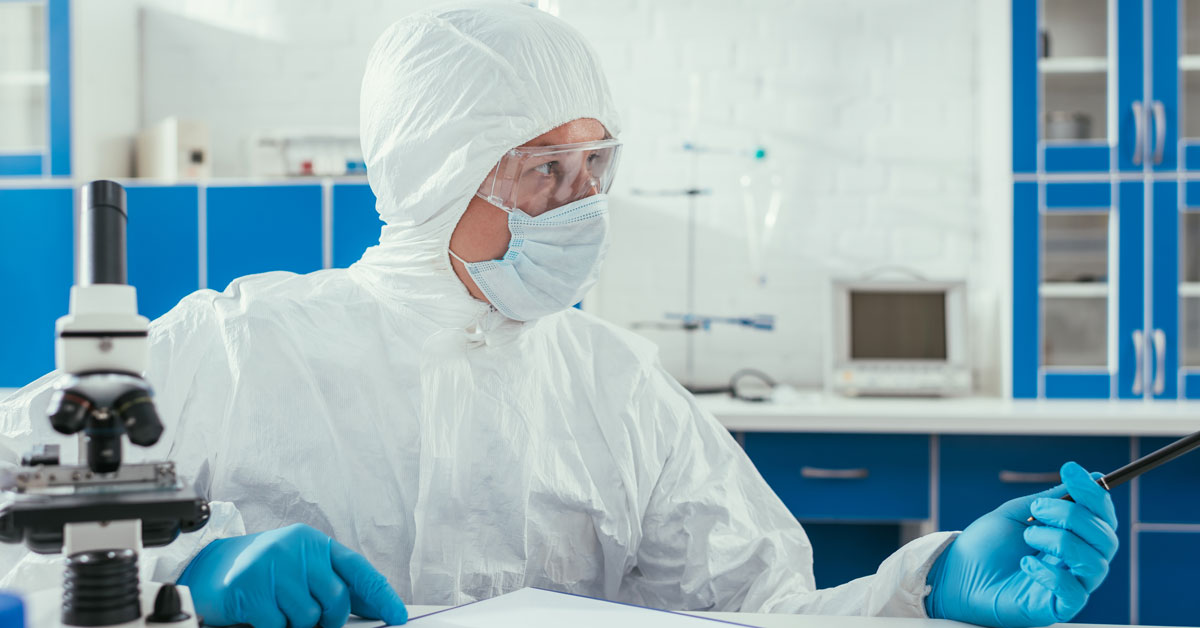
Biochemist in hazmat suit sitting near microscope
Another expert on biotechnology has attacked the evidence being used to quash suggestions that SARS-CoV-2, the virus strain that causes COVID-19, might have been genetically engineered. Professor Stuart Newman, professor of cell biology and anatomy at New York Medical College, says that a key argument used to deny that it could be a genetically engineered strain that escaped from a laboratory actually points to the exact opposite. In other words, it indicates that SARS-CoV-2 could well be genetically engineered and that it could have escaped from a lab.
The evidence that is being cited as proving that SARS-CoV-2 is “not a laboratory construct or a purposefully manipulated virus” is a paper published by the immunologist Kristian Andersen and colleagues in Nature Medicine. As Adam Lauring, an associate professor of microbiology, immunology and infectious diseases at the University of Michigan Medical School, has noted, Andersen’s paper argues that, "the SARS-CoV-2 virus has some key differences in specific genes relative to previously identified coronaviruses – the ones a laboratory would be working with. This constellation of changes makes it unlikely that it is the result of a laboratory 'escape’.”
Prof Stuart Newman
But Professor Newman says that this is totally unconvincing because “The ‘key differences’ were in regions of the coronavirus spike protein that were the subject of genetic engineering experiments in labs around the world (mainly in the US and China) for two decades.”
So not only does Newman think that the virus could have escaped from a lab, he also thinks that it could have originated in a virus stock that had undergone genetic engineering at some point.

In an email interview with GMWatch, Newman, who is editor-in-chief of the journal Biological Theory and co-author (with Tina Stevens) of the book Biotech Juggernaut, amplified this speculation by noting, “The Nature Medicine paper points to variations in two sites of the spike protein of the new coronavirus that the authors claim must have arisen by natural selection in the wild. However, genetic engineering of one of these sites, the ACE2 receptor binding domain, has been proposed since 2005 in order to help generate vaccines against these viruses (see this paper). It is puzzling that the authors of the Nature Medicine commentary did not cite this paper, which appeared in the prominent journal Science.”
 
Moreover, Newman added, “The second site that Andersen et al. assert arose by natural means, a target of enzyme cleavage not usually found in this class of viruses, was in fact introduced by genetic engineering in a similar coronavirus in a paper they do cite. This was done to explore mechanisms of pathogenicity.”
 
Newman said that he does not believe that these changes were deliberately introduced to increase the pathogenicity of any single strain, but that SARS-CoV-2 may have had genetically engineered components in its history before being inadvertently introduced into the human population.

Newman is not the only scientist that has spoken out about the possibility of a genetically engineered element to the virus. We recently published an article in which the molecular geneticist Dr Michael Antoniou also cast doubt on these assertions. Dr Antoniou set out a method by which the virus could have been genetically manipulated and selected for increased infectivity in the laboratory.

Neither Dr Antoniou, nor Prof Newman, nor we ourselves make any suggestion that, in the event that genetic engineering was involved, the intention was to create a bioweapon. Such “enhanced infectivity” research is carried out on viruses all over the world (and not just in China) to investigate their behaviour and to develop vaccines and other therapies, as well as for “biodefence” purposes.

But the question of whether genetic engineering did play a part in the emergence of SARS-CoV-2 must continue to be investigated so that humanity can place appropriate limits and safeguards on such research.

NIH funded coronavirus research in Wuhan to make more virulent viruses/Newsweek

Great detailed pieces from Newsweek, which has been delving into the US government's financial support for "gain of function" (which means increasing the virulence of a pathogen) research in Wuhan, China, which might have contributed to the formation of SARS-CoV-2. They were posted April 27, and 29.  From the latest story:
The NIH research consisted of two parts. The first part began in 2014 and involved surveillance of bat coronaviruses, and had a budget of $3.7 million. The program funded Shi Zheng-Li, a virologist at the Wuhan lab, and other researchers to investigate and catalogue bat coronaviruses in the wild. This part of the project was completed in 2019.
second phase of the project, beginning that year, included additional surveillance work but also gain-of-function research for the purpose of understanding how bat coronaviruses could mutate to attack humans. The project was run by EcoHealth Alliance, a non-profit research group, under the direction of President Peter Daszak, an expert on disease ecology. NIH canceled the project just this past Friday, April 24th, Politico reported. Daszak did not immediately respond to Newsweek requests for comment.
The project proposal states: "We will use S protein sequence data, infectious clone technology, in vitro and in vivo infection experiments and analysis of receptor binding to test the hypothesis that % divergence thresholds in S protein sequences predict spillover potential."
In layman's terms, "spillover potential" refers to the ability of a virus to jump from animals to humans, which requires that the virus be able to receptors in the cells of humans. SARS-CoV-2, for instance, is adept at binding to the ACE2 receptor in human lungs and other organs...
In 2019, with the backing of NIAID, the National Institutes of Health committed $3.7 million over six years for research that included some gain-of-function work. The program followed another $3.7 million, 5-year project for collecting and studying bat coronaviruses, which ended in 2019, bringing the total to $7.4 million.
Dr. Anthony Fauci, director of the National Institute of Allergy and Infectious Diseases, testifies on Capitol Hill on Wednesday, Sept. 23, 2020, in Washington.

Many scientists have criticized gain of function research, which involves manipulating viruses in the lab to explore their potential for infecting humans, because it creates a risk of starting a pandemic from accidental release.
Ads by scrollerads.com
SARS-CoV-2 , the virus now causing a global pandemic, is believed to have originated in bats. U.S. intelligence, after originally asserting that the coronavirus had occurred naturally, conceded last month that the pandemic may have originated in a leak from the Wuhan lab. (At this point most scientists say it's possible—but not likely—that the pandemic virus was engineered or manipulated.)
Dr. Fauci did not respond to Newsweek's requests for comment. NIH responded with a statement that said in part: "Most emerging human viruses come from wildlife, and these represent a significant threat to public health and biosecurity in the US and globally, as demonstrated by the SARS epidemic of 2002-03, and the current COVID-19 pandemic.... scientific research indicates that there is no evidence that suggests the virus was created in a laboratory..."
In other words, until you can find the evidence proving we funded this virus, NIH (and Fauci in particular) is admitting nothing.  How likely do you think it is that the evidence still exists?

Theory of how SARS-CoV-2 was created in a lab/ Prof Nikolai Petrovsky

Dr. Petrovsky, of Flinders University, Australia, was asked his opinion on the origin of SAR-2 and wrote the following
"An extremely important but still unanswered question is what was the source of COVID-19 virus. While COVID-19 has close similarities to SARS and other bat viruses no natural virus matching to COVID-19 has been found in nature despite an intensive search to find its origins. This raises the very legitimate question of whether the COVID-19 virus might be the result of human intervention.

Certainly, our and other analyses of the genomic sequence of the virus do not reveal any artificial gene inserts that would be the hallmark of a gene jockey, genetic engineers who manipulate or even create viruses by splicing in artificial inserts into their genome. These are generally easily recognisable and hence clear signatures of human intervention in the creation of a virus. The fact that these artificial inserts are not present has been interpreted by some to mean this virus is not the result of human manipulation.

However, this logic is incorrect as there are other ways in which humans can manipulate viruses and that is caused by natural selection. What do I mean? All viruses and bacteria mutate and adapt to their environment over time, with selection of the fittest individuals for survival in that particular environment.

Take a bat coronavirus that is not infectious to humans, and force its selection by culturing it with cells that express human ACE2 receptor, such cells having been created many years ago to culture SARS coronaviruses and you can force the bat virus to adapt to infect human cells via mutations in its spike protein, which would have the effect of increasing the strength of its binding to human ACE2, and inevitably reducing the strength of its binding to bat ACE2.

Viruses in prolonged culture will also develop other random mutations that do not affect its function. The result of these experiments is a virus that is highly virulent in humans but is sufficiently different that it no longer resembles the original bat virus. Because the mutations are acquired randomly by selection there is no signature of a human gene jockey, but this is clearly a virus still created by human intervention.

My group in collaboration with other Australian researchers have been using a modelling approach to study the possible evolutionary origins of COVID-19 by modelling interactions between its spike protein and a broad variety of ACE2 receptors from many animals and humans.

This work which we will publish on a prepress server next week shows that the strength of binding of COVID-19 to human ACE2 far exceeds the predicted strength of its binding to the ACE2 of any of the other species. This points to the virus having been selected for its high binding to human ACE2.  In the absence of evidence of historic human infections with this virus, which could result in such selection, this either is a remarkable coincidence or a sign of human intervention.

This, plus the fact that no corresponding virus has been found to exist in nature, leads to the possibility that COVID-19 is a  human-created virus. It is therefore entirely plausible that the virus was created in the biosecurity facility in Wuhan by selection on cells expressing human ACE2, a laboratory that was known to be cultivating exotic bat coronaviruses at the time. Is so the cultured virus could have escaped the facility either through accidental infection of a staff member who then visited the fish market several blocks away and there infected others, or by inappropriate disposal of waste from the facility that either infected humans outside the facility directly or via a susceptible vector such as a stray cat that then frequented the market and resulted in transmission there to humans.

Whilst the facts cannot be known at this time, the nature of this event and its proximity to a high-risk biosecurity facility at the epicentre of the outbreak demands a full and independent international enquiry to ascertain whether a virus of this kind of COVID-19 was being cultured in the facility and might have been accidentally released."

Viral Shedding Continues Up to 6 Weeks After Coronavirus Symptom Onset

(Reuters Health) - Patients may continue to shed the SARS-CoV-2 virus for up to six weeks after symptoms emerge, a small study of recovered COVID-19 patients suggests.  One third tested positive 4 weeks after start of symptoms... so when can you go back to work after getting COVID?

Dr. Zhang and colleagues summarized their experience with 56 COVID-19 patients (median age 55; 61% men) admitted to Tongi Hospital in Wuhan in January and February. Throat or deep nasal cavity swab samples were collected on different dates after symptom onset. SARS-CoV-2 was diagnosed by real-time reverse transcription polymerase chain reaction (RT-PCR) assays All patients had mild-moderate infection.

As reported in Clinical Infectious Diseases, 299 RT-PCR assays were performed (about five tests per patient). The longest duration between symptom onset and an RT-PCR test was 42 days, whereas the median duration was 24 days.

In the first three weeks after symptom onset, the majority of RT-PCR results were positive for SARS-CoV-2. From week three onward, negative results increased. All tests were negative at week six after symptom onset. 

The rate of positive results was highest at week one (100%), followed by 89.3%, 66.1%, 32.1%, 5.4% and 0% at weeks two, three, four, five and six, respectively.